




I said something out loud the other day: “Elevate your music.” My husband replied, “Elevator music?” We both paused, instantly hearing his play on words… and the irony behind it. Two phrases that sound almost identical but mean entirely different things. And that’s exactly the problem for a lot of businesses today.
Elevator Music On Hold
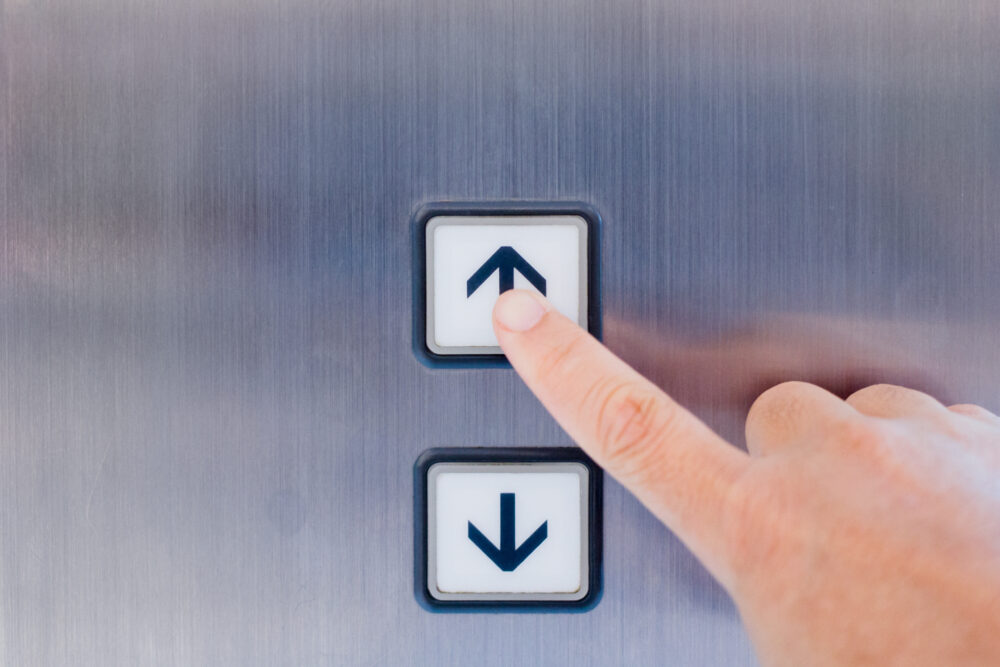
For years, “music on hold” has been treated like background noise. Something you check a box on. You upload once and forget it. And somewhere along the way, it all got lumped into the same category: elevator music.
Generic, forgettable filler.
But when someone is on hold with your business, that moment isn’t filler. It’s a real part of your customer experience. They’ve already decided to call you. They’re already engaged enough to wait. And what they hear either reinforces your brand or quietly works against it.
That’s the difference between elevator music and elevated music. But more importantly, it’s the difference between leaving it alone and choosing to elevate it.
What It Means to Elevate Your Music
Elevating your music doesn’t mean overthinking it. It means being intentional.
Choose music that:
- Reflects your brand and environment
- Matches the tone of your customer experience
- Sounds professionally produced and consistent
- Holds up over repeated listening
It also means avoiding the trap of “set it and forget it.” Because repetition without variation is what makes something start to feel like elevator music in the first place.
It’s Not Just Music, It’s the Experience
Music doesn’t stand alone. It works alongside your messaging, your pacing, and your overall audio environment. If your messages sound like they were pulled from a brochure, the experience feels disconnected. If your music doesn’t match your brand, it creates friction. And if everything is long, static, and repetitive, people tune out.
Elevating your music is really about elevating the entire on-hold experience.
What That Looks Like in Practice
There’s no single “right” type of music, but there is a right approach. Some businesses use a professionally produced music library designed specifically for on-hold environments: music that loops well, sounds clean, and supports messaging.
Others prefer a more familiar sound, using licensed music from well-known artists to create a stronger emotional connection.
Both can work. The difference is whether the choice is intentional or just inherited from whatever was there before.
Where Most Businesses Miss It
We constantly see this phenomenon: businesses invest heavily in what customers can see but often overlook what callers hear. And yet, for many customers, that on-hold moment is the first real interaction they have with your business. If that experience feels outdated, repetitive, or disconnected, it shapes perception before a conversation even begins.
Not Sure Where to Start? Send it Over
If your current on-hold experience feels like something you set up years ago and haven’t revisited since, it might be time to take another listen.
And if you’re not sure whether what you have is helping or hurting, you don’t have to guess; just send it over. We’ll listen and give you honest feedback on how it’s coming across and where it could be improved.
Written By Julie Brown, CEO, Easy On Hold®