



We’re proud to debut Vintage Music Hall. This new Brandi Music channel transports listeners to the formative years of American popular music—from 1920 through 1940—created as a streaming music service for museums.
It was an era when music wasn’t just heard; it was experienced live in grand halls, theaters, ballrooms, and vaudeville houses across the country. The name Music Hall reflects that tradition. In the early 20th century, live performance was the heartbeat of American entertainment, shaping the sounds that would define generations to come.
Music After World War I: A Cultural Renaissance
As the nation emerged from the shadows of World War I, a cultural renaissance took shape, characterized by an exhilarating blend of innovation and expression. This period not only redefined musical genres but also laid the groundwork for future artistic movements, forever altering the landscape of American music.
Ragtime gave way to early jazz, blues, and popular song, capturing a spirit of optimism, experimentation, and social change.
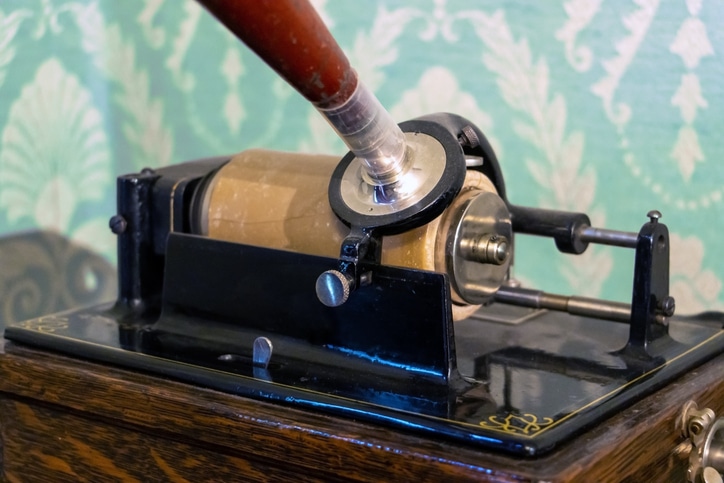
From Acoustic to Electric: How Early Recording Shaped the Sound
Much of the music from the 1920s was recorded initially using acoustic technology—performers gathered around large recording horns, with no microphones or amplification. These recordings, pressed onto cylinders and early discs, captured performances exactly as they were played.
By the mid-1920s, electronic microphones transformed recording forever. Suddenly, vocals became more intimate, instruments more balanced, and subtle musical expression possible. Vintage Music Hall embraces this evolution, featuring as much original-era recording content as possible.
When Radio Was King
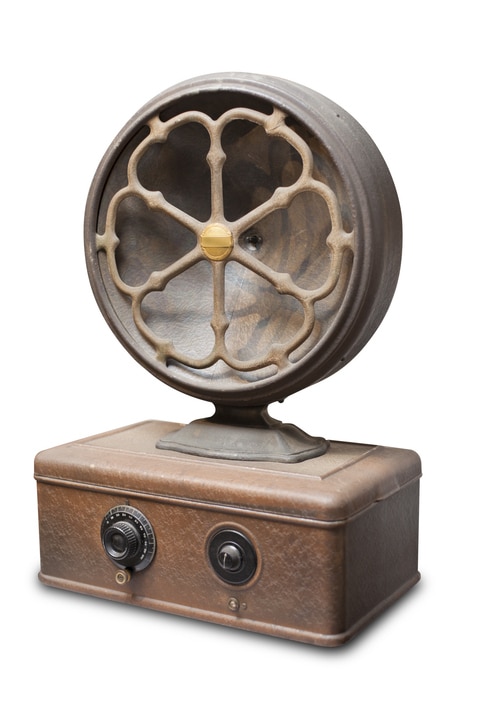
In the 1920s, radio emerged as the preferred medium for listening to music, surpassing the gramophone in popularity. The result was a decline in record player sales. Furthermore, the Great Depression forced many record player manufacturers out of business, further reducing the gramophone’s popularity.
The radio (or “wireless set,” as they were called in the very early days) shown here was manufactured by Atwater Kent (USA) in 1921. The company was the world’s largest producer of radios in the late 1920s.
The 1920s: The Jazz Age
The 1920s are widely known as the “Jazz Age” — a period when jazz became a defining popular music form in America, shaping dance, culture, and social life. Music was energetic, improvisational, and rooted in African-American traditions such as blues and ragtime, blending them with new influences.
Early jazz bands typically featured smaller ensembles of 7–12 musicians, emphasizing collective improvisation and rhythmic spontaneity. Adding to the excitement, technological innovations such as the phonograph and radio helped spread these new styles nationwide, bringing jazz into homes and social spaces.
Cultural role
Jazz in the 1920s was part of a broader cultural revolution, reflecting societal shifts, youth culture, and post-war optimism.
As the nation emerged from the shadows of World War I, a cultural renaissance took shape, characterized by an exhilarating blend of innovation and expression. This period not only redefined musical genres but also laid the groundwork for future artistic movements, forever altering the landscape of American music. – The Legacy Of The 1920s In American Music by USA History Timeline
The 1930s: Jazz Finds Its Swing
By the 1930s, music had shifted toward swing, a style of jazz that emphasized a strong rhythmic drive, smoother ensemble playing, and arrangements designed for dancing. Often when you listen to swing music, you’ll hear one of the big bands (typically 12–25 musicians), featuring sections of brass, reeds, and rhythm, which produced a distinct sound and scale compared to most 1920s groups.
The 1930s became known as the Swing Era, when this style dominated popular music and dance halls across the United States. Vocalists rose in prominence alongside instrumentalists, with singers like Billie Holiday and Ella Fitzgerald gaining major audiences.
Sound and style differences
- Rhythm and phrasing: Swing emphasized a steady, compelling rhythmic pulse that encouraged dancing, often with written arrangements and less improvisation than early jazz.
- Ensemble complexity: Bands were larger and more arranged, with orchestrated parts rather than primarily improvised solos dominating performance.
- Popular song standards: The 1930s saw a growth in songs that became jazz standards, blending Broadway, jazz, and popular traditions.
Social context
The Great Depression heavily influenced the decade, and danceable, optimistic music became a form of escapism for many Americans. Swing music’s broad appeal helped sustain live music venues, radios, and recordings during difficult economic conditions.
Then, the 1930s jazz music changed to a sweeter sound. Big bands began transforming it into danceable swing music. Several famous female vocalists got their start as jazz singers in the 1930s, including Ella Fitzgerald (1918–1996) and Billie Holiday (1915–1959). – 1930s Music, from Encyclopedia.com
The Artists Who Defined the Era
Vintage Music Hall showcases iconic performers who shaped early American music, including:
- Louis Armstrong
- Fats Waller
- Paul Whiteman
- Tommy Dorsey
- Tex Beneke
- Eddie Cantor
- Al Jolson
- Max Morath
- Sophie Tucker
- Bix Beiderbecke
Their recordings capture the transition from small ensembles and solo piano to full big bands and polished vocal performances.
What You’ll Hear on Vintage Music Hall
Music of the 1920s and 1930s.
- Jazz, popular, swing, blues, ragtime, stride, and boogie-woogie.
- Small groups, solo piano, and big bands.
- Instrumentals and vocals.
Your ticket back in time to a golden age.
Created for the Rockhill Trolley Museum, Enjoyed by All
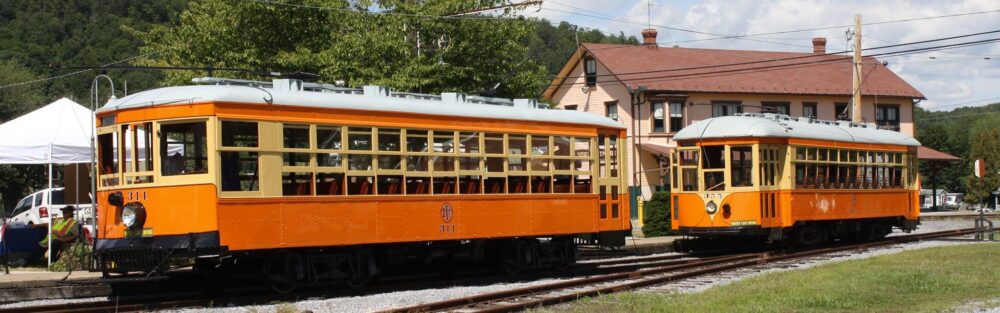
With its carefully curated, authentic vibe, Vintage Music Hall can be considered a new streaming music service for museums. In fact, when you visit the Rockhill Trolley Museum, you will hear the new Vintage Music Hall during your visit. Imagine a living-history museum dedicated to preserving the history of early electric railway transportation. Above all, this music has the power to bring guests back in time. Throughout your visit, you’ll be surrounded by the authentic sounds of the era when trolleys, ballrooms, radios, and live music were central to everyday life.
Tune in to the expertly crafted Vintage Music Hall channel, now available to all Brandi Music subscribers.
Start Listening
Please view the full channel lineup in our Streaming Business Music Channel Guide and learn more about Streaming Music For Business from Brandi Music.
Step into the Music Hall. The past is playing.