


Caller expectations are changing faster than ever, and customer patience on phone channels is at an all-time low. Customer Experience Guru Shep Hyken, writing in Forbes in August of 2025, said we are experiencing “The Great Customer Patience Crisis.” Four out of 10 customers (40%) would rather clean a toilet than call customer support, according to the report.
In 2026, more callers will reach out only after exhausting every self-service option available. That means when the phone rings, you’re no longer dealing with casual inquiries—you’re engaging with customers who want answers now and who expect to be understood immediately.
Businesses that fail to examine what callers experience before they ever reach an agent risk losing those customers before the conversation even begins.
This guide explains how to rethink your caller experience strategy to serve today’s most demanding callers better.
Table of contents
The Inbound Call is Still King for Sales and Service
Inbound calls are essential for customer satisfaction, trust, and relationship building, serving a wide range of needs, including support, billing inquiries, service information, and simple routing.
For Service: About 70 percent of consumers prefer to make a phone call to solve a problem (customer service). Surprisingly, a report by McKinsey shows this number is about the same for:
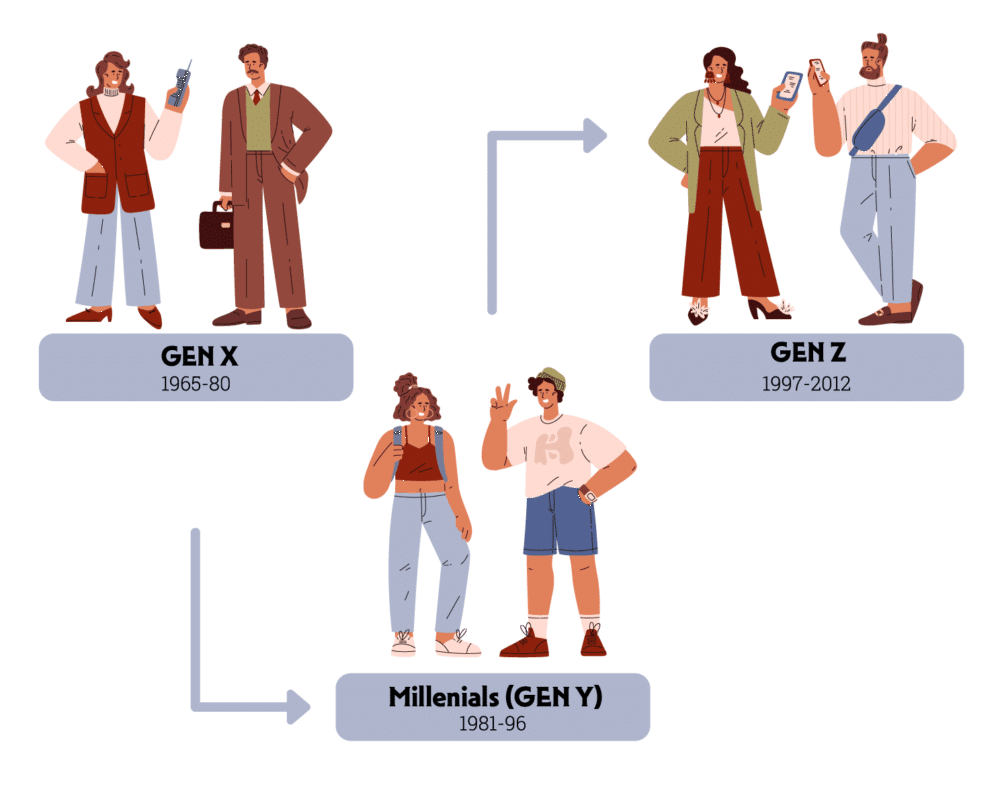
For Service: About 70 percent of consumers prefer to make a phone call to solve a problem (customer service). Surprisingly, a report by McKinsey shows this number is about the same for:
- Gen X
- Millennials
- Gen Z
For Sales: Your customers (users, prospects, patients, and members) prefer the voice channel (phone) as the primary method for reaching you. Research reported by sales automation firm Invoca late in 2025 shows:
- 68% of consumers will make a call at some point during the buying journey
- 42% will call to get more information
- 30% will call to complete a purchase
2026 Callers Are More Demanding and Less Patient
Modern callers have little tolerance for friction. Long wait times, irrelevant messages, and generic call flows quickly lead to frustration.
- Impatient callers who expect immediate acknowledgment
- Declining customer patience on hold
- Rising call wait time expectations
- More frustrated callers are abandoning calls early
For many businesses, the on-hold experience is still treated as an afterthought. But in 2026, it’s often the first and only chance to reassure a caller that they’ve made the right decision.
2026 Callers Are More Valuable Than Ever
Here’s the opportunity most businesses miss. Today’s callers are not casual browsers; they are high-intent customers who have already tried:
- websites
- chatbots
- FAQs
- email or self-service portals
When they call, it’s because they need help—and they’re closer to a decision than ever.
Why inbound calls matter more in 2026

The phone remains one of the strongest call conversion opportunities:
- High-intent callers are closer to conversion
- Inbound calls as leads outperform many digital channels
- Phone calls are premium leads, not interruptions
Treating these callers like a cost center instead of a revenue opportunity is a mistake. In reality, the right messaging can set expectations and guide conversations before agents ever pick up.
AI and the Caller Experience in 2026: What Actually Matters
AI will continue to shape the phone experience in 2026—but not always in the ways headlines suggest.
The future of customer service isn’t humanless contact centers. It’s a thoughtful blend of AI and human connection that gives customers what they truly want: fast, accurate help when they need it, delivered with understanding and care. (Shep Hyken)
1. Human empathy still matters
While there’s growing conversation around agentic AI and fully automated call handling, many customers still want the option to reach a human, especially for complex or emotional issues. Over-automation risks eroding trust, authenticity, and brand connection. Multiple data sources show that human interaction remains indispensable, especially for complex problems or nuanced emotional understanding.
- A survey of support professionals finds that 59% emphasize a human-led support strategy, valuing empathy and personalization that current AI still struggles to match.
- Independent research (see the above link) indicates that 75% of consumers still prefer human agents for complex interactions, despite AI reducing costs and handling routine tasks.
- Broader industry reports show that while AI adoption continues to grow, support teams still believe that human agents are irreplaceable in delivering nuanced customer service.
AI should support the caller journey, not replace human interaction entirely.
2. AI tools are transforming on-hold messaging
Where AI delivers real value is in making high-quality AI phone messaging easier to create, update, and personalize. Shown: Easy On Hold AI Studio.
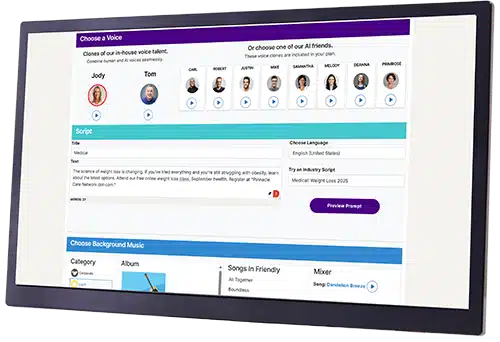
Modern AI phone greetings, prompts, and on-hold messages help businesses:
- Reduce IT dependency for simple messaging changes
- Improve consistency across departments and locations
- Give marketing and business teams control over brand voice
- Tailor messages based on caller needs and call flows
This shift enables smarter:
- AI call handling
- Automated on-hold messages
- Intelligent call routing messages
- Personalized on-hold messaging
Many Easy On Hold customers have already recognized this trend, utilizing AI-assisted tools to quickly adapt messages based on seasonality, call volume, or customer intent, without encountering technical bottlenecks.
Final Takeaway: The Caller Experience Is a Competitive Advantage
In 2026, the phone call is no longer a fallback channel. It’s where your most motivated customers show up.
Businesses that:
- recognize caller impatience,
- treat inbound calls as premium opportunities, and
- use AI thoughtfully to support (not replace) human connection
will be the ones that win trust, conversions, and loyalty before the agent even says hello.